Tetouan: The UNESCO-Listed Andalusian Medina
Published on 10 juillet 2026
Rebuilt by refugees from Spain in the 15th century, Tetouan preserves a unique Andalusian heritage and the ancient ruins of Tamuda.
At the gateway to the Rif, about twenty kilometres from the Mediterranean, Tetouan cultivates a distinct identity in Morocco: that of a city shaped by centuries of exchange across the Strait.
A city rebuilt by Andalusian exile
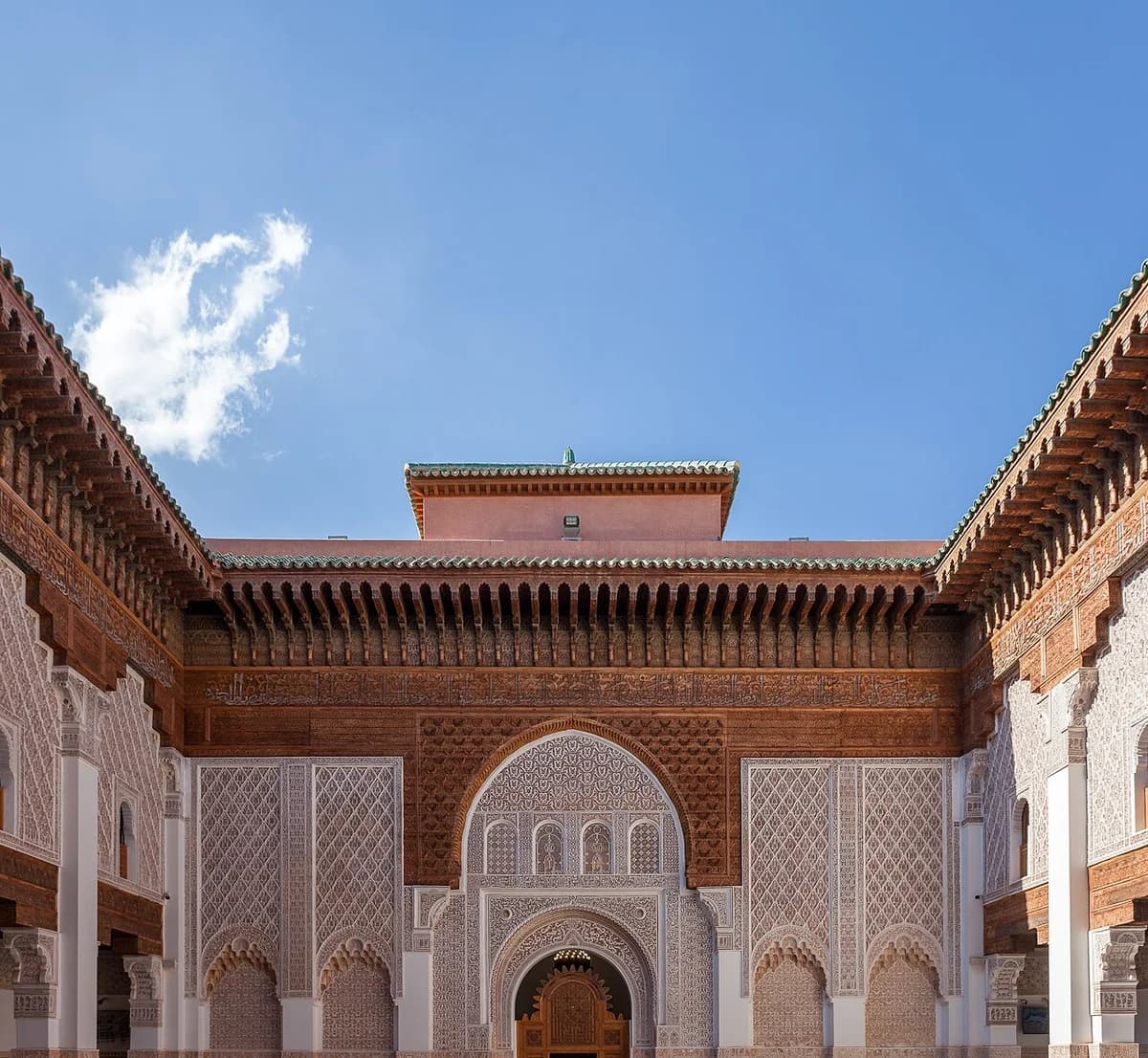
After the fall of the Kingdom of Granada in 1492 and the expulsions that followed the Reconquista, thousands of Andalusian Muslims and Jews found refuge in Tetouan and helped rebuild the city. This legacy is still visible today in the architecture of the medina, a UNESCO World Heritage Site, and in craft traditions inherited directly from Al-Andalus. Long before this Andalusian rebirth, the ancient site of Tamuda already carried the seeds of the city: a Berber settlement founded in the 3rd century BC and later a Roman camp, it is considered the direct ancestor of Tetouan.
Dar Sanâa, Andalusian craftsmanship still alive
Founded in 1919 opposite Bab el-Oqla, one of the medina's seven historic gates, Dar Sanâa keeps alive the most endangered craft skills — marquetry, inlaid leather, painted wood — passed down by master craftsmen to new generations, in direct continuity with this Hispano-Moroccan cultural blend.
Continue the discovery
The Tetouan destination page brings together all the city's sites available to book.
Practical information
Tetouan is easily combined with a visit to Chefchaouen or Tangier, both less than an hour and a half's drive away. Spring and autumn offer the most pleasant climate for exploring the medina on foot.